Food and restaurants in Madrid
Classic dishes, markets, areas to eat and emblematic places.
The essentials
- Madrid cooking is spoon food and tavern food: cocido stew, tripe, broken eggs and the squid sandwich.
- The province adds Madrid wines, Campo Real olive oil, Chinchón anise and strawberries and asparagus from Aranjuez.
- This page is a guide to areas and types of venue, with a few emblematic places of long standing.
- Book at the best-known places, especially at weekends.
Dishes to try
Cocido madrileño
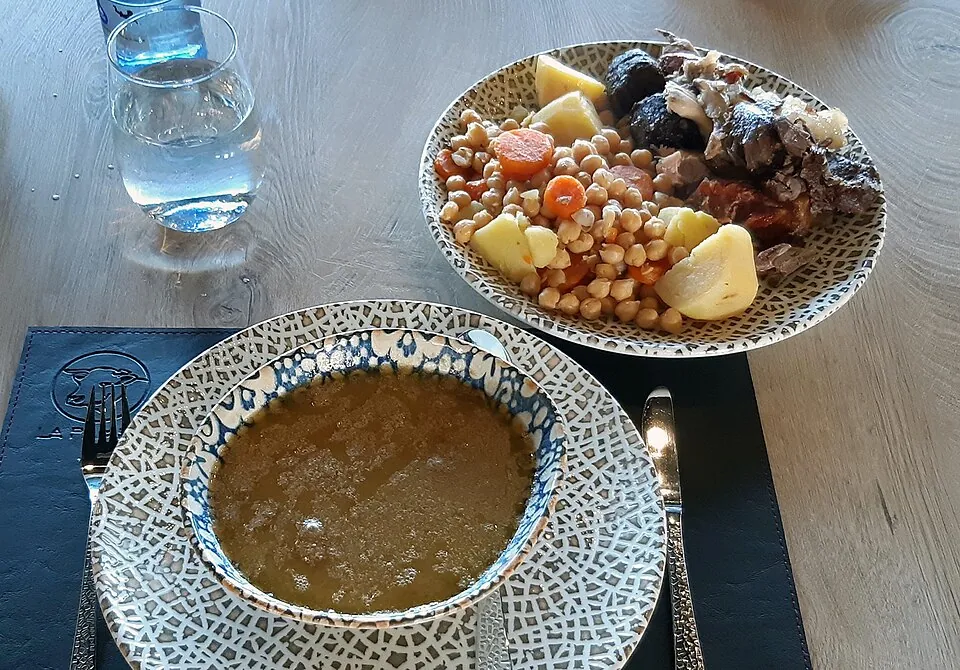
The city's most famous dish. It is served in three courses: first the broth, then the chickpeas with vegetables and finally the meats. You will find it in traditional eateries all over the centre.
Squid sandwich
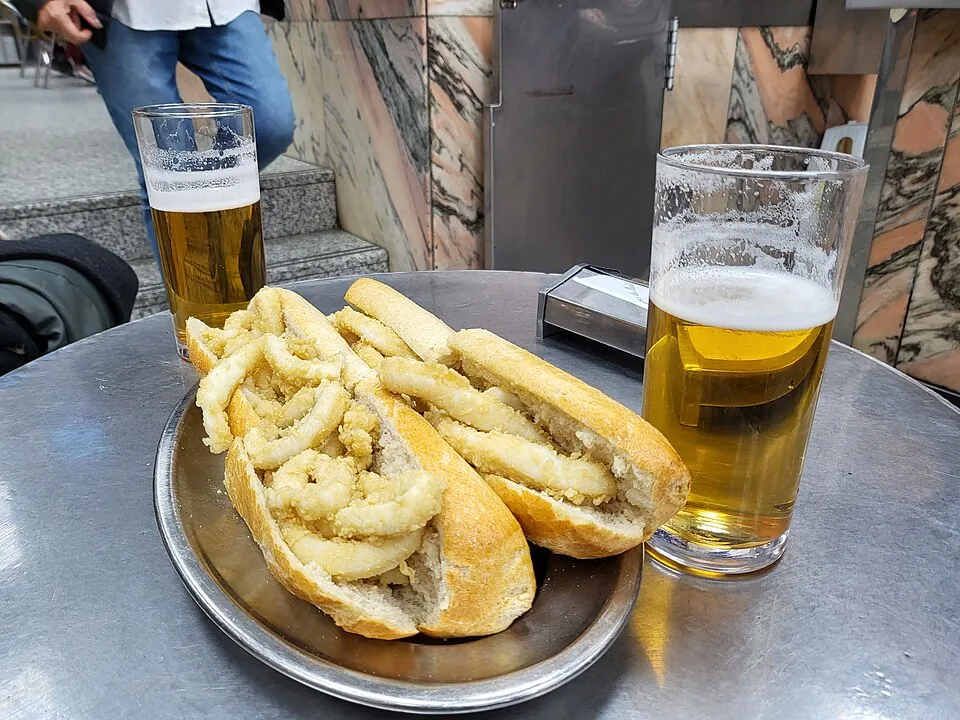
Fried squid in crusty bread, a speciality of the bars around Plaza Mayor.
More classics
- Huevos rotos («broken eggs») with chips and ham, a tavern dish.
- Callos a la madrileña, a winter tripe stew with chorizo.
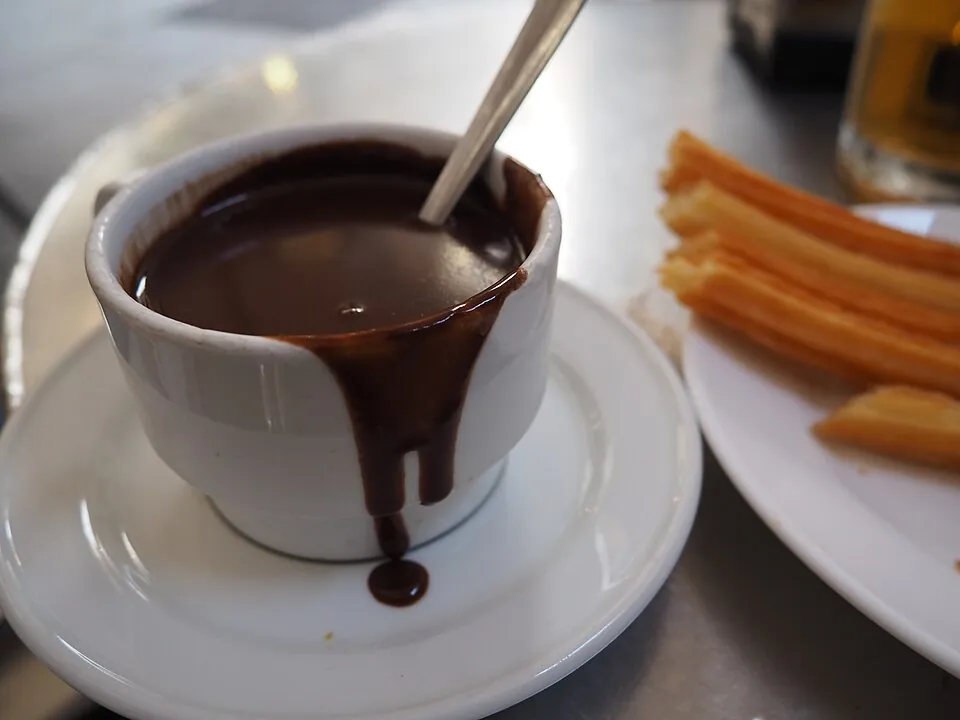
- Churros with chocolate, for breakfast or the small hours.
- Roast suckling pig and lamb, from the Castilian tradition.
- Torrijas at Easter and rosquillas at San Isidro.
Food markets
Markets are an easy way to taste a lot in a single visit.
- San Miguel Market, next to Plaza Mayor: tapas and produce in an iron building from 1916.
- San Antón Market, in Chueca, with a rooftop terrace.
- La Cebada Market, in La Latina, more local.
- Vallehermoso Market, in Chamberí.
Where to eat: areas and types of venue
| Area | What you will find |
|---|---|
| La Latina and Cava Baja | Sunday tapas crawls and taverns with plenty of tradition. |
| Historic centre | Traditional eateries, beer halls and churro shops. |
| Barrio de las Letras | Vermouth, wine and tapas near the museums. |
| Malasaña and Chueca | Informal cooking, brunch and modern ideas. |
| Salamanca | More elegant restaurants and pintxo bars. |
| Lavapiés | Cooking from many countries at modest prices. |
Emblematic places
Some places have been serving for decades, or centuries:
- Sobrino de Botín, founded in 1725, famous for its roast suckling pig.
- Lhardy, from 1839, with its cocido and its consommé.
- Casa Labra, from 1860, known for its fried cod.
- Chocolatería San Ginés, open since 1894 next to Calle del Arenal, for churros.
- La Bola, a traditional cocido house.
- Casa Ciriaco, a tavern on Calle Mayor, a reference for traditional Madrid cooking.
Check opening times and bookings on each place's website: they change often.
Products of the province
- Madrid wines (designation of origin), with areas in the south and west.
- Campo Real olive oil.
- Chinchón anise, a traditional liqueur.
- Strawberries and asparagus from Aranjuez.
- Costrada of Alcalá de Henares, a typical sweet.
- Judiones of El Escorial (large white beans).
Combine food with a trip to the mountains and villages.